Ultimate Guide to Craigslist Alternatives for Buying and Selling Used Items Locally Software Development
Why are so many people turning to new ways of buying and selling used items online? Whether it’s for great deals, side income, or decluttering, the demand for digital platforms connecting buyers and sellers has grown. This trend started with classified ads in newspapers and later expanded to Craigslist, which became a preferred platform for local deals.However, as technology advanced, so did user expectations. Today, online marketplaces need to offer more than just listings; they must deliver quick communication, safe transactions, and the ability to sell both locally and nationally. With issues over scams and ease, users are increasingly looking for Craigslist alternatives that ensure safer payments, verified profiles, and reliable support.
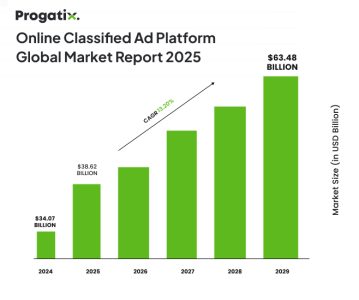
According to the Business Research Company’s report, the online classified ad market is flourishing, anticipated to grow from $34.07 billion in 2024 to $38.62 billion in 2025, with a 13.4% CAGR. This highlights the increasing demand for safe and user-friendly platforms in the digital marketplace.
What is Craigslist, and why is it popular?
Craigslist is an online platform used for several reasons, like buying, selling, trading goods, finding jobs, seeking housing, and even for socializing with the local community. Such a platform has existed since 1995. The Craigslist app and website have become trustworthy tools that millions of people use to post ads rapidly and effortlessly. The app is the most well-known buy-sell marketplace app and classified platforms around, given its simple design, free listings, and a huge variety of categories.
Key reasons for its popularity include:
- User-Friendly: Easy-to-use design with no frills.
- Local Focus: Search and post within your own city for a more community-driven experience.
- Free Listings: Many categories allow free postings, unlike other platforms that charge fees.
- Variety: A wide collection of goods and services, from furniture to jobs.
- Quick Transactions: Direct communication between buyers and sellers enables fast deals.
- Privacy: Anonymity in communication adds a layer of security.
Irrespective of the emergence of newer alternatives, Craigslist remains a go-to marketplace due to its straightforward approach and distributed use.
Top Alternatives of Craigslist in 2025
Here are 10 popular and reliable alternatives to Craigslist, offering safer, more user-friendly features. With new technologies and safety concerns, these apps provide a better buy-and-sell experience for those looking for more accessible options.
-
eBay
eBay is a global online marketplace ideal for buying and selling everything from electronics to collectibles. Unlike Craigslist, it provides auctions, direct sales, and international shipping, along with additional security via buyer/seller protection and a rating system.Originally established as Kijiji in Canada in 2005 and rebranded as eBay Classifieds in 2010, it offers a more integrated and user-friendly alternative to Craigslist, featuring advanced search filters, longer-lasting ads (30 days vs. Craigslist’s 7), and visual search capabilities.
With its safe transactions, rich features, and organized interface, eBay is a robust choice for serious buyers and sellers. However, its fees and focus on commercial listings may not appeal to casual or local-only users.
Key Features
- Easy Listings: Create thorough ads with titles, descriptions, locations, and multiple high-quality images.
- Advanced Filters: Search by price, distance, category, item condition, and user ratings.
- Image Search: Upload or snap a photo to find visually similar items.
- Secure Payments: Transactions are processed securely via services like PayPal.
- User Ratings: Buyer and seller feedback builds trust and helps prevent scams.
- Category Variety: Listings span across vehicles, electronics, clothing, and more.
- Discovery Tools: Use saved searches, maps, and tailored suggestions to find items easily.
Pros
- A huge number of listings enhances the possibilities of finding unique items.
- Safe transactions add security for buyers and sellers.
- Ratings and reviews help verify user credibility.
- Advanced filters make searches faster and more accurate.
- International support allows for global buying and selling.
Cons
- Selling and transaction fees are higher than on several other platforms.
- Huge inventory can make finding particular items time-demanding.
- The platform favors commercial sellers over casual users.
Facebook Marketplace
Introduced in 2016, Facebook Marketplace is a built-in feature within the Facebook app that enables users to buy and sell items locally. With more than 1 billion users, it offers a convenient platform for listing and browsing items for free, with safe communication managed through Facebook Messenger. The interface is user-friendly, and items can be filtered by category, location, and price, making it effortless to find relevant local deals.A key advantage is its social integration; buyer and seller profiles are connected to real Facebook accounts, integrating a layer of trust and accountability. Map-based browsing and niche buy-and-sell groups further improve the experience, specifically for those interested in particular product types or local community sales.While perfect for casual selling of items such as furniture, electronics, and clothing, Facebook Marketplace has restrictions. Listings can get buried rapidly, and the platform offers fewer customization options than committed classified sites. Still, its massive reach and built-in social trust make it a strong Craigslist alternative for local transactions.
Key Features
- Map-Based Browsing: View nearby listings directly on an interactive map.
- Built-in Messaging: Engage securely via Facebook Messenger.
- Free Listings: Post items without paying listing or transaction fees.
- Social Profiles & Reviews: Buyer/seller info is linked to Facebook profiles for added credibility.
- Filters & Categories: Easily filter by price, location, item condition, and more.
- Privacy Controls: Select who can see your listings using Facebook’s privacy settings.
Pros
- A bigger user base enhances visibility and reach.
- Facebook profiles and reviews maximize trust in transactions.
- Entirely free to list and sell items.
- Safe communication via built-in messaging.
- Easy to explore local items using filters and map tools.
Cons
- Listings get buried rapidly due to Facebook’s algorithm.
- Restricted support for services compared to full classifieds platforms.
- Fewer customization and listing options than dedicated selling apps.
- Privacy could be a challenge depending on Facebook profile settings.
Poshmark
Poshmark is a fashion-centric marketplace introduced more than a decade ago, catering to buyers and sellers of new and secondhand clothing, accessories, beauty items, and home goods. With over 80 million users, it works like a social consignment shop, enabling sellers to effortlessly list items and buyers to explore them via search, social sharing, or live events such as Posh Parties and Posh Shows.The platform offers conveniences such as free prepaid shipping labels, in-app messaging, and strong seller tools like Smart List AI and analytics dashboards. It promotes community interaction to enhance transparency, but charges a 20% commission on sales over $15 and requires sellers to frequently share their listings to keep exposure.Perfect for fashion-savvy users, Poshmark provides a curated and reliable environment but may not suit casual or infrequent sellers due to its high fees and engagement needs. Its shipping is restricted to North America, and some users have reported concerns with customer service and return handling.
Key Features
- Prepaid Shipping Labels: Sellers receive pre-addressed USPS labels for orders under 5 lbs.
- Flat Shipping Rate: Buyers pay a flat $6.49 shipping fee for standard orders.
- Inventory Tools: Analytics dashboards and sales tracking tools are available.
- Smart List AI: Automatically creates listing content from item photos.
- Social Discovery: Listings gain visibility through shares, Posh Parties, and live shows.
- Bulk Tools: Ambassadors can bulk list, edit prices, and send offers.
- Seller Support: Dedicated support, account managers, and educational resources.
Pros
- A bigger and active user base maximizes the chances of sales.
- Prepaid shipping labels streamline the selling process.
- Social features help listings reach more targeted buyers.
- Advanced seller tools offer useful business insights.
- Highly focused platform for fashion, lifestyle, and home items.
- Trusted buyer protection and verified shipping processes.
Cons
- High seller fees decrease profit margins considerably.
- Listings need frequent sharing to stay transparent.
- Not perfect for passive or occasional sellers.
- Shipping is limited to North America only.
- Returns and customer service can be inconsistent.
- Live sales may overlook regular listings, affecting transparency.
Develop a Modern Etsy Alternative App
Let's Connect
Etsy
Etsy, introduced in 2005, is a global online marketplace emphasizing handmade, vintage, and unique goods. It works for a wide community of crafters, artists, and collectors, providing everything from jewelry and clothing to art, antiques, and digital downloads. Unlike general marketplaces such as Facebook or Craigslist, Etsy targets a niche audience particularly seeking creative, personalized, or vintage items, helping sellers stand out in their categories.The platform is known for its easy-to-use seller tools, worldwide reach, and supportive resources for small businesses. With more than 96 million active buyers, Etsy offers sellers robust exposure and built-in traffic. Listing pricing is $0.20 each item, with a 6.5% transaction fee plus extra charges for shipping or personalization, making it more structured but possibly more profitable than free platforms for those selling niche goods.Etsy is specifically appealing to creators seeking to establish a branded storefront with customization options and integrated marketing tools, such as Etsy Ads. However, sellers must navigate high competition, platform fees, and promotional restrictions. Still, its curated shopping experience and loyal user base make Etsy a top alternative to generalist marketplaces for handcrafted and vintage sellers.
Key Features
- Personalized Discovery: AI-driven suggestions match buyers with relevant handmade or vintage items.
- Etsy Ads 2.0: Advanced advertising tools for niche targeting and revenue predictions.
- Gift Mode: Smart filters propose gifts relying on occasion, recipient, and style.
- Integrated Checkout: Offers BNPL, global tax support, and multi-currency payments.
- Seller Tools: Comprises shop templates, SKU syncing, AI description generators, and branding options.
- Eco-Conscious Certification: Items can earn a “Planet-Friendly” badge for sustainable practices.
Pros
- Simple and intuitive shop setup for new sellers.
- Access to a massive, global buyer base.
- Advanced seller tools and marketing features.
- Built-in trust from Etsy’s reputation and emphasis on authenticity.
- Perfect for niche products like handmade, vintage, or digital goods.
Cons
- Listing and transaction fees reduce profit margins.
- High competition makes it challenging to stand out.
- Challenging to build a brand beyond the Etsy platform.
- Strict guidelines may restrict customization or external promotion.
- Promoting items needs extra tools or off-platform efforts.
OfferUp
OfferUp, introduced in 2011, is a mobile-first marketplace built for local buying and selling across the U.S. and Canada. Positioned as a strong Craigslist alternative, it allows users to list and browse a wide range of items, from electronics and furniture to vehicles, based on ZIP code. With more than 100 million app downloads, it has become one of the most reliable platforms for peer-to-peer transactions.The platform focuses on security and simplicity. Users can chat safely within the app, rate each other post transactions, and confirm their identity with the “TruYou” feature. OfferUp also supports payments via its in-app service, OfferUp Pay, and recommends secure meetup spots such as police stations, making it specifically right for high-value transactions.
OfferUp’s emphasis on trust, ease of use, and mobile accessibility has made it a preferred choice for local deals. However, its key experience is app-based, the desktop version is restricted, and listings can get buried promptly because of high post volume.
Key Features
- Location Filters: Easily find local listings with “Near Me” search.
- In-App Messaging: Safe chat to engage without sharing contact information.
- User Verification: TruYou feature helps verify user identity for extra trust.
- Payment Integration: OfferUp Pay allows safe in-app payments and maintains security.
- Authentication Service: Optional item authentication for transactions over $150
- Mobile-Friendly Design: Completely optimized iOS and Android apps.
- Ratings & Reviews: Public reviews build user reputation.
- Diverse Categories: Browse listings for vehicles, furniture, electronics, and more.
Pros
- Great for local high-value deals due to authentication and safe payments.
- Mobile-first experience makes browsing and selling quick and easy.
- A large user base maximizes the possibilities of quick, relevant local transactions.
- In-app ratings and reviews enhance visibility and trust.
Cons
- The desktop version is restricted in features and functionality.
- Listings can disappear promptly under continuous new posts.
- Scammers can still be a challenge without full user verification.
Oodle
Oodle is an online classifieds platform that collects listings from several sources, offering users a wide range of products, services, and choices. Positioned as a modern alternative to Craigslist, Oodle offers a clean, user-friendly design with a local focus, making it easier for users to find listings within their geographic area. The platform spans a variety of categories, including real estate, jobs, vehicles, pets, and merchandise, letting users browse and post items for free. This makes Oodle an all-embracing solution for individuals seeking to buy, sell, or trade in their local community.
One of Oodle’s key differentiators is its capability to collect listings from other websites like eBay and ForRent.com, widening the range of available options. This integration makes sure that users have access to a different array of listings, improving the platform’s value. Moreover, Oodle promotes social media integration, enabling users to connect their Facebook profiles to listings, ensuring to maximize trust and visibility. However, despite its benefits, Oodle faces challenges with potential scams and diverse listing quality, which can make the buying and selling experience less trustworthy for some users.
Key Features
- Wide Range of Listings: Offers categories such as real estate, jobs, vehicles, pets, and more.
- Local Focus: Emphasizes local listings for users to find relevant possibilities nearby.
- Free to Use: No cost for browsing or posting listings.
- Social Integration: Enable users to connect their social media accounts for improved transparency and reliability.
Pros
- Diverse listings from numerous sources.
- Free to use with no fees for posting or browsing.
- Social media integration enhances credibility.
- Localized outcomes for more relevant searches.
Cons
- Potential for scams and fraudulent listings.
- Listing quality can vary significantly.
- Ads may clutter the user interface.
- Restricted seller verification, elevating trust issues.
Bonanza
Bonanza is an online selling platform flourishing in popularity as an alternative to bigger marketplaces like eBay, Etsy, and Amazon. Specializing in unique and offbeat items, Bonanza enables sellers to list products for free, charging a 3.5% fee on successful sales. It provides easy integration with other platforms and enables direct negotiations among buyers and sellers, offering adaptability for both parties.Bonanza stands out, given its user-friendly interface and the capability to import listings from Amazon or eBay, saving time for sellers with existing inventories. The platform also delivers tools like live chat to connect with customers in real-time, creating an improved shopping experience. While it may not have the same traffic as larger platforms, it has become a strong option for independent sellers seeking lower fees and a niche marketplace.
Although Bonanza is not as widely popular as other platforms, it offers considerable benefits for sellers, including integration options, Google AdWords access, and tools such as the Picture Burner for creating better product images. While there are some membership and transaction fees, these are comparatively low compared to other platforms, making it an appealing option for sellers finding a cost-effective way to develop their online businesses.
Key Features
- Product Import: Easily import listings from eBay and Amazon.
- Live Chat Feature: Real-time customer communication to increase sales and trust.
- eBay Feedback Import: Transfer your eBay reputation to Bonanza for faster trust-building.
- Google AdWords: Use Google Shopping ads to maximize visibility.
- Paid Traffic: Boost your product’s exposure via external traffic.
- Picture Burner: Remove backgrounds from product photos for a cleaner look.
Pros
- Easy integration with eBay, Amazon, and Etsy.
- Flexible advertising options as per the seller’s budget.
- No listing fees; 3.5% sale fee and low transaction costs.
- Live chat feature for real-time customer engagement.
Cons
- Lower traffic compared to huge platforms.
- A maximum of 75,000 items is allowed for listing.
- $14.99 account set-up fee for new sellers.
Letgo
Letgo, established in 2008, is a renowned mobile app-based platform that enables users to buy and sell items locally, primarily in the United States and Europe. It’s known for its easy-to-use interface and its emphasis on peer-to-peer commerce, making it a strong alternative to Craigslist. Letgo stands out with its fun and interactive bargaining mechanic, allowing users to negotiate on prices earlier to reach a deal. With features like safe payments, a detailed transaction history, and price drop notifications, it improves the buying and selling experience.
Although Letgo offers a rich and engaging platform for local transactions, it’s primarily built for mobile, which can restrict its accessibility for users who prefer desktop browsing. In 2020, Letgo incorporated with OfferUp in the U.S., but it remains widely popular in other countries for its straightforward, image-centric listings and hyper-local discovery capabilities. While it encourages a strong sense of community with its negotiation features, older listings can promptly get buried, diminishing visibility for sellers.
Key Features
- Bargaining Chat: Interactive chat for price negotiation before agreement.
- Secured Payments: An in-app payment system to manage transactions securely.
- Transaction History: Detailed record of completed sales for credibility.
- Price Drop Notifications: Alerts for price reductions on favorite listings.
- Categories: Multiple categories for easy filtering of relevant deals.
- Image/Video Viewer: High-quality visuals to display products effectively.
Pros
- Fun, interactive bargaining mechanic that adds excitement to negotiations.
- Builds trust with experienced sellers via transaction history.
- Safe, end-to-end transactions using an in-app payment system.
- Easy, geo-tagged discovery for localized buying and selling.
Cons
- The desktop site is basic; the app is the main focus.
- Older listings rapidly get buried, reducing their transparency.
- The activity is usually lower compared to platforms like Facebook Marketplace.
Mercari
First launched in 2013 in Japan and then expanded to the US in 2014, Mercari is a user-friendly, versatile online marketplace that enables individuals to easily buy and sell a wide range of items, from clothes and electronics to home goods and collectibles. With a simplified listing process and flexible shipping options, Mercari caters to both casual declutterers and professional resellers, offering a simple way to trade nationwide. The platform also ensures safe transactions and easy returns, making it an enticing choice for those seeking to sell items across the US.
Mercari is specifically well-suited for sellers who prefer not to deal with personal meetups or the complexities of local platforms like Facebook Marketplace. Given its comprehensive system, it manages everything from invoicing and payment processing to shipping labels and fraud protection. While Mercari is great for selling non-bulky items with a national reach, it can be highly competitive in popular categories and might need frequent price modifications to stand out.
Key Features
- Easy Listing Process: Upload up to 12 photos, add a description, set a price, and choose a shipping method.
- Nationwide Reach: Items are transparent to buyers throughout the U.S.
- Secure Transactions: Payments are held until the buyer confirms satisfaction.
- No Upfront Listing Fees: Allows you to pay only after making a sale.
- Flexible Shipping Options: Use Mercari’s discounted labels or manage shipping independently.
- Transaction Support: Mercari manages invoicing, payments, and tracking for a smooth transaction.
Pros
- Low barrier to entry, perfect for casual sellers.
- Strong appeal to younger, trend-driven audiences.
- Nationwide revelation for all listings.
- Safe payment process with buyer satisfaction confirmation.
- No listing fees; you only pay when your item sells.
Cons
- High competition in renowned categories.
- Some buyers expect heavily discounted prices.
- Restricted storefront customization compared to platforms like eBay.
- Niche or high-priced items may take longer to sell.
- Younger demographic emphasis may not align with antiques or non-trendy items.
Get a Modern Mercari-Like App Built
Let's ConnectThredUp
Founded in 2009, ThredUp is a convenient and eco-friendly platform that emphasizes reselling gently used clothing and accessories. The process is simple: sellers request a “Clean Out Kit,” fill it with lightly used clothes, and send it to ThredUp, which manages the review, listing, and sale of the items. It allows sellers to turn their pre-loved garments into cash without the challenge of creating listings. ThredUp also offers buyers access to high-quality secondhand fashion at discounted prices, making it a great option for those seeking to shop sustainably.ThredUp’s simplified selling process and dedication to sustainability make it an attractive choice for those seeking to declutter their wardrobes and earn money without juggling the complexities of traditional selling platforms. While ThredUp’s emphasis is on women’s and kids’ clothing, along with shoes and accessories, it’s a great app for those interested in making eco-friendly fashion choices. However, the platform doesn’t accept men’s clothing or home goods, and the cash returns for consigned items are relatively low.
Key Features
- Clean Out Kit: Request a free shipping bag to send in your used clothes for consignment.
- No Listing Fees: ThredUp manages the sale, taking a commission based on the final sale price.
- Sustainability Focus: Encourages the resale of clothing to reduce waste and promote upcycling.
- Free Shipping Label: ThredUp offers a free shipping label to send your items.
- AI-Powered Search: Search for particular items using detailed criteria like size and style.
- Goody Box: A curated box of clothing styled by experts based on preset themes.
Pros
- Easy selling process with no need to list items yourself.
- Strong emphasis on sustainability and eco-friendly fashion.
- Offers a wide range of secondhand clothing from more than 35,000 brands.
- Great discounts, specifically for new users, with up to 50% off.
- Easy, free shipping for orders over $79.99.
Cons
- Low cash returns on consigned items.
- No men’s clothing or home goods accepted.
- Two-week wait for cash out from consigned items.
- Some items are non-returnable, particularly during sales.
- Slow customer service response at times.
Must-Have Features to Look for in a Craigslist Alternative
- User Verification: Ensures security by verifying users via email, phone, or social media to prevent scams.
- Category & Filter Options: Clearly defined categories with easy filters help buyers find what they’re looking for fast.
- In-App Messaging: Safe messaging within the platform keeps personal contact info private and conversations organized.
- Secure Payment Options: Integrated payment and escrow services secure both buyers and sellers throughout transactions.
- Image & Video Uploads: Enable users to upload photos and videos to improve listings and build buyer confidence.
- Location-Based Search: Allows buyers to find products or services nearby for quicker transactions and in-person exchanges.
- Seller & Buyer Ratings: A review system helps users assess reliability for better buying and selling experiences.
Wrapping Up
While Craigslist remains a classic choice for local buying and selling, today’s digital landscape offers a range of safer, smarter, and more specialized alternatives. Platforms such as Facebook Marketplace, OfferUp, eBay, and Poshmark cater to modern users looking for verified profiles, safe payments, and better transparency for their listings. From a casual seller to a fashion reseller or a small business owner, these Craigslist alternatives deliver greater ease, trust, and reach, making it easier than ever to turn unwanted items into cash or explore great local deals.
Build Your Own Marketplace with Progatix
If you’re inspired to create your own marketplace platform, Progatix can help transform your idea into a scalable business solution. As a reliable software and app development company, Progatix specializes in building safe, high-performing marketplace platforms personalized to your goals. From smooth payment gateways and AI-driven product recommendations to real-time messaging and location-based discovery, our custom solutions are built for performance, dependability, and user satisfaction. With years of expertise in web, mobile, and SaaS development, Progatix strengthens startups and enterprises to launch feature-rich marketplace apps that compete with today’s leading Craigslist alternatives and reform local commerce.
Bring Your Local Commerce App to Life
Let's Connect


 Let's Discuss Your Tech Solutions