How to Develop a Successful Wealth Management App: Step-by-Step App Development
In a world overpowered by complex financial products and plenty of data, managing wealth has become a fundamental challenge. According to internet sources, it’s astounding that 77% of people feel lost when it comes to handling their finances and investments. This is exactly where wealth management apps come in, providing a solution to this imperative issue. If you’re thinking of building an app that authentically addresses these requirements, helping users recover power of their finances and find peace of mind, there’s no good time to do so. However, developing an app that truly strengthens users, rather than just adding to the confusion with yet another complex dashboard, is no simple task. In this blog post, we’ll walk you through the key steps to developing a successful personal asset management app, pointing up the key benefits, essential features, right technologies, top wealth management apps to learn from, and an analysis of potential costs.
What is Wealth Management Application?
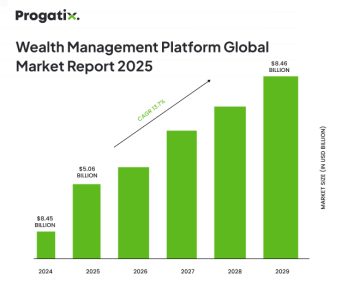
A wealth management application refers to software that helps users track, manage, and increase their finances directly from their mobile phones. Such applications make complex financial operations like portfolio monitoring, setting goals, financial planning, and investment tracking simple and easy.According to the Business Research Company’s report, the wealth management platform market size has grown quickly in recent years. It will increase from $4.45 billion in 2024 to $5.06 billion in 2025 at a compound annual growth rate (CAGR) of 13.6%.
Key Features of Wealth Management App
When building a wealth management App, including the right features is important for improving its functionality and user experience. Here are the key features to include:
-
Alerts and Notifications
This feature informs users regarding important actions, such as tax returns or other deadlines. Frequent alerts not only keep clients informed but also show them that the app is actively supporting their financial requirements.
-
Real-Time Spending & Tracking
This feature lets users track their spending habits in real-time, helping them spot areas where they can cut costs and save more efficiently.
-
Gamification
By adding gamification, you can make the app more engaging. Users are more likely to return and stay active, while also being impelled to save and meet their financial goals.
-
Ongoing Customer Support
Reliable, 24/7 customer support is crucial for retaining users and drawing in new ones. It ensures that users can get help whenever they require it, ensuring reliability and offering satisfaction.
-
Investment Portfolio
An integrated investment portfolio feature enables users to manage several assets like bonds, securities, and other investments, assisting them in meeting their wealth management goals.
-
Points and Rewards
Offer bonuses like coupons, discounts, cashback, or credits to keep users occupied. These rewards boost regular use of the app and help promote long-term commitment.
-
Payment Gateway Integration
A smooth payment gateway makes it easy for users to carry out transactions, like transferring funds or making investments, directly within the app.
-
Account Integration
Enable users to link and manage numerous financial accounts, including credit cards, debit cards, mutual funds, and loans, all in one place for easy and effective financial management.
Wealth Management App Development: Step-by-Step Process
For building a great wealth management app that is simple, user-friendly, and technically powerful, it focuses on delivering real value. Here is a checklist of how an application concept could be made into a popular product:
-
Understand Needs and Set Goals
At this stage, extensive stakeholder discussions will define how the app will help in advancing wealth management by using budgeting tools or integration with a financial advisor app to make sure it solves the financial challenges of its users efficiently.
-
Identification of the Target Audience
Align app strategies to accomplish the business objectives, like enhancing user management or turning profits via subscriptions, or customer retention for the businesses.
-
Feature Prioritization
Decide which features are optional and which ones have to be added. Ensure that those introduced first meet the most crucial user requirements.
-
Perform Consumer and Market Analysis
Research is necessary for your app’s concept and market fit testing. It includes:
-
Competitor Analysis
Conduct an analysis of other expense tracking applications to find out what they lack, the features they have done best, and their disadvantages. This brings about creativity due to the limited possibility of making mistakes.
-
Collecting User Feedback
Interviews, surveys, and focus groups with potential users help identify their pain points, needs, and expectations.
-
Trend Identification
The dynamic nature of financial technology requires a close watch on trends like generative AI in financial services, social trading features, and blockchain security.
-
Designing User Experience with Focus on Key Features
An exceptional app balances simplicity with functionality. At this stage, design and outline the user interface and experience, keeping practicality and engagement front and center.
Here is a breakdown of key features classified by complexity:
| Core Features | Premium Features | Advanced Features |
|---|---|---|
| User Profile | Multi-factor Authentication | Biometric Authentication |
| Portfolio Tracking | Detailed Asset Insights | Real-Time Market Data |
| Financial Planning | Goal Setting | AI-Driven Personalized Guidance |
| Notifications & Alerts | Account Aggregation | Push Alerts for Market Changes |
| Budgeting & Expense Tracking | Gamification | Robo-Advisory Services |
| Registration & Login | Expense Categorization | Financial Coaching |
| Basic Asset Overview | Automated Portfolio Rebalancing | In-Depth Reporting & Analytics |
| Basic Alerts | Custom Alerts | Goal-Oriented Financial Planning |
Partner With Us for Fintech App Development
Let's Connect

-
Design User Experience and Make Wireframes
Creating a fluid experience is important, especially in finance, where intricacy could overload users. This phase includes:
-
User Journey Mapping
Map out every user interaction with the app, from sign-up and goal tracking to support, ensuring all touchpoints are covered.
-
Usability Focus
Emphasizes simplicity and clarity so that the users can understand and are able to use features such as budget development, investing tracking, and notifications effortlessly.
-
Wireframing
Low-fidelity sketches or digital wireframes show which screens the app includes and what the navigation will be, helping to see the design and function of the app.
-
Frontend Development – Turning Designs into Reality
This move includes the translation of UI/UX designs into responsive and engaging screens. The right result is a smooth user interface that will function flawlessly on whichever platform or device.
The areas of emphasis are:
- Interactive graphs and charts for portfolio analytics
- Responsive mobile and tablet-optimized layouts
- Smooth navigation and quick loads
-
Backend Development
The backend strengthens your wealth management app by handling data, processing transactions, and ensuring safety. Key focuses involve:
- Effective data management and storage
- Robust security measures such as encryption and safe authentication
- Integration with banks and financial data offers through APIs
- Scalability to manage growing user data and activity
- Adoption of business logic for portfolio analysis and tracking
-
Data Integration and Real-Time Synchronization
A wealth management application mainly depends on timely and precise details. This process means connecting to:
-
Notification System
Alerts can confirm a market update, a confirmatory transaction, or a goal progress update.
-
Financial Data Feeds
Connecting to relevant sources for stock prices, portfolio values, foreign exchange rates and news.
-
Offline Support
Users can view some data offline where possible and sync automatically when they restore connectivity.
-
Notification System
Alerts can confirm a market update, a confirmatory transaction, or a goal progress update.Real-time synchronization lets users always view their existing portfolio value and market situation.
-
Enforce Safety Controls
Financial details being highly sensitive, their security should never be an issue:
-
Data Encryption
Make sure that data that is not in use or transit is encrypted via robust encryption algorithms.
-
Frequent Audits
Carry out routine security audits and penetration testing so that vulnerabilities can be detected and eradicated early enough.
-
Authentication Techniques
To prevent undesired access, apply a powerful password policy and multi-factor authentication (MFA).
-
Compliance
The application must stick to particular financial and data privacy legislation like PCI DSS, GDPR, or country-specific law.
Strong security defends user confidence and shields against costly breaches.
-
Test and Gather User Feedback
Testing is continuous and complex:
-
Security Testing
Tests against vulnerability and the response of safety mechanisms to several intrusion attempts.
-
Functional Testing
Each feature must be tested against any external factors that can impact its productivity.
-
Bug Fixing and Refinement
Resolving issues quickly and refining as required pre-launch.
-
Usability Testing
Observe real users using the application to find where they experience pain and confusion.
-
Performance Testing
Test the application’s working under heavy load and numerous simultaneous users.
User feedback is golden in the app development that precisely meets user experience.
-
App Launch and Continuous Support
The last step of the process is app launch and maintenance.
-
App Store Submission
Set up the app for submission to stores such as the Apple App Store and the Google App Store, alongside all the rules.
-
Regular Updates
Publish new feature upgrades, security fixes, and bug fixes based on user feedback and market trends.
-
Monitoring and Analytics
Look at user activity, usage, and performance to find possibilities for enhancements via analytics and monitoring.
-
Marketing and Onboarding
Market the app and deliver a clean onboarding experience, allowing new users to quickly begin running.
-
Customer Support
Preserve customer satisfaction by addressing their problems rapidly over phone, email, or chat.Long-term continuous support makes sure the application remains secure, relevant, and competitive.
Develop a Scalable Finance App With Experts
Let's ConnectHow much does it cost for a Wealth Management App?
The cost for the development of a personal finance app or personal asset management app varies widely based on the complexity of the app, its features, and the experience of the development team. To offer you an improved understanding, here is an outline of estimated costs, so you can plan your budget and goals more efficiently.
Here is a rough estimate of app development costs based on complexity. While these figures can vary, they offer a broader framework to help guide your budget planning.
| Feature | Basic App | Mid-Level App | Complex App (Enterprise) |
|---|---|---|---|
| App Complexity | $10,000 – $20,000 | $20,000 – $50,000 | $100,000+ |
| Platform Development | $5,000 – $10,000 | $15,000 – $30,000 | $50,000+ |
| UI/UX Design | $3,000 – $7,000 | $10,000 – $20,000 | $30,000+ |
| Backend Development | $5,000 – $15,000 | $25,000 – $50,000 | $100,000+ |
| Third-Party Integrations | $2,000 – $5,000 | $10,000 – $20,000 | $50,000+ |
| Security Features | $3,000 – $5,000 | $10,000 – $20,000 | $30,000 |
| Total Estimated Cost | $20,000 – $50,000 | $50,000 – $150,000 | $200,000+ |
Key Challenges in Wealth Management App Development & Solutions
-
Cybersecurity Threats
Wealth management apps experience risks related to phishing, ransomware, and data breaches. To diminish these, enforce robust security protocols, conduct regular audits, and stay updated with developing cybersecurity trends and technologies.
-
Integration Complexity
Integrating various systems and data sources is difficult. Use strong APIs or middleware for smooth data exchange. To address data incompatibility resulting due to manual processes or system restrictions, establish robust data administration practices.
-
Data Privacy and Compliance
Securing sensitive client data and meeting regulatory standards can be challenging. Ensure compliance with data security laws via safe authentication, encryption, audit trails, and constant monitoring of compliance needs.
Who needs Wealth Management Software?
Wealth management software works for a wide range of users, from individual advisors to large institutions, all handling complex financial portfolios.
-
Independent Financial Advisors
Solo advisors and small teams employ these tools to automate portfolio tracking, reporting, and compliance, offering a service level similar to bigger firms while managing costs.
-
Wealth Management Firms
Bigger firms with numerous clients use these platforms for effective operations, client communication, portfolio allocation, and audit readiness, ensuring scalability and visibility.
-
Private Banks and Multi-Family Offices
For managing ultra-high-net-worth clients and complex assets, private banks use advanced systems that support multi-generational portfolios, international holdings, and safe collaboration among stakeholders.
-
Fintech Startups
Fintechs use wealth management software to integrate key features such as portfolio management, KYC/AML, and risk scoring into their apps, allowing quick, scalable, and compliant operations.
-
High-Net-Worth Individuals (HNWIs)
HNWIs use these platforms to track investments, real estate, and business equity in one place, preserving complete transparency and control while engaging with advisors when required.
Final Views
Wealth management software development is a promising venture. People have now become more concerned about their finances and require efficient tools to manage them. Also, the market is not overloaded yet, with a possibility to draw in thousands of users by providing tools for budgeting, financial planning, and investing. Because success comes from detail: security, UX, performance, and smart framework decisions, even the best idea relies on the team that brings it to life.
How Progatix Can Help?
Building a secure, scalable, and user-driven wealth management app goes beyond just a good idea, it needs a development partner with profound industry expertise and a proven track record. That’s where Progatix comes in. As next-generation custom software development experts, we offer personalized digital solutions designed to quicken growth, boost user satisfaction, and ensure long-term success.With over two decades of experience and being trusted by global brands, Progatix specializes in high-performance financial applications, from SaaS platforms to mobile apps and enterprise-grade systems. Whether you’re a fintech startup or an established financial institution, we offer end-to-end services, including UI/UX design, secure backend development, API integration, and compliance support.Connect with Progatix to build a scalable, user-friendly, and regulation-ready wealth management app that turns your vision into a future-proof solution.
Launch a Secure Wealth Management Platform Now
Let's Connect


 Let's Discuss Your Tech Solutions