Best Patreon Alternatives for Creators Tech
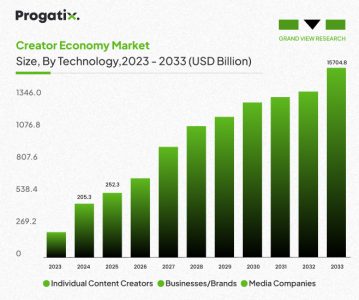
For nearly a decade, Patreon has delivered creative independence, serving as a platform where artists, podcasters, writers, and online educators could earn directly from their fans without depending on ads or corporate sponsorships. More than a tool, it was a cultural shift that gave rise to the “creator economy,” empowering millions to make a living doing what they love.The creator economy is booming. According to Grand View Research, the global creator economy market was USD 205.25 billion in 2024 and is projected to grow to USD 1,345.54 billion by 2033, with a CAGR of 23.3% between 2025 and 2033. This rapid growth reflects a surge in creators seeking more control, higher revenue, and independence over their work.
But as the creator economy has developed, many professionals have started questioning whether Patreon still serves their developing needs. Between its high fees, restricted customization, and reliance on platform rules, creators are seeking alternatives that offer more control, better revenue models, and a stronger sense of ownership.If you’re one of them, this guide is for you. We’ll explore how Patreon works, what it does well, where it falls short, and, most significantly, look into the 10 best Patreon alternatives that enable creators to monetize their work with more independence and flexibility.
What is Patreon?
Patreon is a membership-based crowdfunding platform built for creators who want to earn continual income from their supporters, known as patrons. Instead of depending only on ad revenue, sponsorships, or one-time product sales, creators can offer exclusive content or benefits to paying subscribers.A musician may share unreleased tracks, a podcaster might post bonus episodes, or a digital artist could offer behind-the-scenes tutorials. Patrons pay a monthly or per-creation fee to access this exclusive content, delivering creators with continuous revenue.Patreon’s key idea is simple: it bridges the gap between creators and fans. By giving fans a way to support their favorite artists directly, Patreon revolutionizes passion projects into sustainable livelihoods.
How Patreon Works
The mechanics are straightforward but potential:
- Create a Patreon Page: Creators build their membership page, add descriptions, visuals, and define tiers (e.g., $3/month for early access, $10/month for exclusive content).
- Set Membership Tiers: Each tier offers specific perks. For instance, a $25 tier might include physical merchandise or personal shoutouts.
- Engage the Community: Patreon offers features like community posts, polls, and direct messages to build connections.
- Monetize Recurring Support: Payments are processed automatically each month, and creators get paid after Patreon deducts fees.
- Grow the Base: Successful creators often market their Patreon on YouTube, Instagram, or Twitch to grow their support network.
This subscription-based approach creates predictable income, something many creators struggle to accomplish elsewhere.
What Patreon Does Well
Despite increasing competition, Patreon remains well-known for several reasons:
1. Reliable Monetization Infrastructure
Patreon streamlines the business side of creation. You don’t need to manage payment gateways, manage subscriptions manually, or deal with taxes; everything is managed for you.
2. Established Brand Trust
Fans recognize and trust Patreon, making them more comfortable dedicating to payments. This recognition reduces the barrier between creator and supporter.
3. Community Building Tools
Patreon’s built-in features, comments, messaging, and private posts, enable creators to foster an exclusive space for fans.
4. Consistent Revenue
The monthly subscription model offers predictable earnings that make creative work more financially stable.
5. Accessibility
From small artists to big creators, anyone can set up a Patreon page with minimal setup or technical expertise.
For many, Patreon is the first footstep into professional monetization, but it’s not without drawbacks.
The Disadvantages of Patreon
1. High Fees
Patreon’s platform fees range from 5% to 12%, and that’s before processing fees (2.9% + 30¢ per payment). For full-time creators, these charges considerably cut into profit margins.
2. Limited Customization
Patreon pages have a consistent structure with few branding options. You can’t completely control the layout, colors, or audience experience, making it challenging to stand out.
3. Dependence on Platform Policies
As with most third-party platforms, creators must follow Patreon’s content policies. Sudden rule changes or account limitations can jeopardize your income overnight.
4. Lack of Ownership
You don’t own your audience data. Patreon owns the emails, analytics, and traffic, meaning you can’t easily move your community elsewhere.
5. Global Payout Challenges
For creators external to North America or Europe, payout delays and currency conversions can be problematic.
While Patreon is a certain starting point, it’s not built for complete creative independence, which is why many are shifting to alternative platforms.
What to Look for in Patreon Alternatives
Before jumping to another platform, it’s crucial to know what features truly matter.
- Lower Transaction Fees: More of your income should stay in your pocket.
- Custom Branding: Select a platform that allows you to design your own member experience.
- Audience Ownership: Make sure you can export your subscribers and communicate directly with them.
- Diverse Revenue Streams: Beyond memberships, look for options to sell courses, downloads, or merchandise.
- Ease of Use: A good platform should be beginner-friendly but scalable as you develop.
- Community Engagement: Built-in communication tools help you nurture long-term supporters.
When these boxes are ticked, you gain not just income, but control over your whole creative ecosystem.
Have an app idea for creators? Build a creator focused app with our development team
Let's Connect

Is Patreon Right for You?
For many creators, Patreon remains one of the most well-known and straightforward ways to start earning from their audience. It’s an all-in-one platform that allows you to launch a paid membership system without worrying about coding, web hosting, or payment setup. Whether you’re a musician sharing early tracks, a podcaster posting bonus episodes, or a digital artist offering behind-the-scenes content, Patreon provides a simple entry point into fan-funded income.Its biggest advantage is accessibility, you can sign up, create membership tiers, upload exclusive content, and start earning within hours. With over 8 million active patrons, it also benefits from strong brand trust, meaning potential supporters are already familiar with the platform. For emerging creators without a personal website or community hub, this ease is a major plus.However, as your audience grows, Patreon’s simplicity can become restrictive. The fees add up quickly, between 8% and 12% per month, not counting payment and conversion charges. Many creators find that nearly 20% of their income disappears before it even reaches them, which can significantly cut into production or marketing budgets.There’s also the issue of ownership and control. Your Patreon page exists entirely within their ecosystem, you can’t fully customize the design, integrate it under your own domain, or access your audience data freely. That might suit hobbyists, but professional creators often need a platform that reflects their brand identity and gives them complete ownership.Patreon’s user experience can also be limiting. Supporters must create a Patreon account to subscribe, which adds friction and may discourage some from joining. On top of that, its community features, mainly comments, messages, and polls, feel outdated for creators seeking more interactive spaces with live chats, courses, or virtual events.Shortly, Patreon is great if you’re starting out and want a hassle-free way to monetize your content. But if you’re ready to take your creative independence seriously, build a branded experience, and keep more of what you earn, exploring Patreon alternatives might be your smartest next step.
Why Many Creators Are Seeking Patreon Alternatives
In 2025, creators are no longer just hobbyists; they’re business owners. They teach, sell, and host communities throughout multiple platforms. They want systems that adapt to their objectives, not the other way around.
Three main factors drive the shift:
- Control: Creators want to own their audience and data.
- Profit: Lower fees and higher customization mean better margins.
- Flexibility: Tools that allow selling courses, memberships, and digital products together save time and money.
Let’s discover the leading 10 Patreon alternatives shaping the modern creator economy.
1. Mighty Networks
Mighty Networks merges memberships, online courses, and community engagement in one customizable platform. It’s perfect for creators who want to build their own branded ecosystem.
Best For: Coaches, educators, and community builders.
Pros:
- Own your data and branding.
- Integrated community, events, and courses.
- Custom domain support.
Cons:
- Takes time to learn.
- More costly than basic Patreon tiers.
Example:
A fitness coach can host workout programs, live sessions, and discussion groups, all under one branded hub.
2. Podia
Podia is an all-in-one platform where creators can sell courses, digital downloads, and memberships, with no coding required.
Best For:
Educators, influencers, and coaches.
Pros:
- Clean interface and no transaction fees on higher plans.
- Built-in email marketing.
- Supports webinars and community features.
Cons:
Design customization is somewhat restricted.
Example:
A graphic designer can sell tutorials, design packs, and premium memberships directly from one Podia storefront.
3. Buy Me a Coffee
Buy Me a Coffee emphasizes micro-payments and casual memberships. It’s designed for creators who want simplicity and minimal setup.
Pros:
- 5% fee only.
- One-time donations or recurring memberships.
- Quick payouts via Stripe or PayPal.
Cons:
- Fewer advanced features.
Example:
A writer could share drafts or behind-the-scenes notes, allowing fans to “buy a coffee” as a small token of support.
4. Kickstarter
Kickstarter isn’t a Patreon clone; it’s a crowdfunding powerhouse, ideal for creators funding one-time projects such as games, books, or films.
Pros:
- Global visibility and community.
- Structured funding goals and reward tiers.
Cons:
- Not for recurring income.
- You only get funds if your campaign meets its target.
Example:
An indie filmmaker can raise $50,000 to create a short film, rewarding backers with digital premieres and credits.
5. Ko-Fi
Ko-Fi bridges donations and eCommerce. Creators can get one-time tips, offer memberships, or sell digital goods and commissions.
Pros:
- Zero fees on donations.
- Customizable shop for digital art or merchandise.
- Easy integration with social media.
Cons:
- Limited automation for large creators.
Example:
An illustrator can sell digital prints and accept commissions, maintaining a light, fan-friendly setup.
6. Substack
Substack is the home of paid newsletters. It allows writers to monetize their audience through free and premium subscriptions.
Pros:
- Integrated email publishing system.
- Simple payment management.
- Discoverability within Substack’s ecosystem.
Cons:
- 10% platform fee.
- Limited site design customization.
Example:
A journalist could send free weekly stories and premium deep-dive reports to paying subscribers.
7. Gumroad
Gumroad lets creators sell digital products, subscriptions, and memberships directly to fans.
Pros:
- No monthly fee for novices.
- Supports pay-what-you-want pricing.
- Easy checkout and analytics tools.
Cons:
- Fees can add up as sales grow.
Example:
A photographer can sell Lightroom presets and launch a monthly subscription for exclusive editing tutorials.
8. Sellfy
Sellfy is an eCommerce solution made for digital creators, supporting digital downloads, print-on-demand merchandise, and subscriptions.
Pros:
- Quick setup with no coding.
- Built-in marketing and analytics tools.
- Custom domain support.
Cons:
- Fewer third-party integrations than competitors.
Example:
A musician could sell T-shirts, albums, and fan club memberships under one storefront.
9. Ghost
Ghost is an open-source platform used for independent publishing and is ideal for creators who want complete control and branding.
Pros:
- 100% ownership of your data and domain.
- SEO-friendly and fast.
- No middleman fees.
Cons:
- Needs setup and maintenance know-how.
Example:
A blogger could host their own membership blog with exclusive posts and newsletters under their domain, with no third-party limitations.
10. Etsy
While Etsy is popular for handmade goods, it’s progressively popular among digital creators selling templates, planners, and artwork.
Pros:
- Global marketplace with built-in traffic.
- Easy shop setup.
- Great for hybrid creators who sell both digital and physical items.
Cons:
- Seller competition is high.
- Listing and transaction fees apply.
Example:
A designer can sell digital branding kits and printable art directly to Etsy’s vast creative community.
Want to build an app like Etsy? Let’s talk.
Let's ConnectChoosing the Right Patreon Alternative
With so many Patreon alternatives available, finding the right one for your creator journey can feel overwhelming. Some platforms emphasize simple fan donations, while others offer full-scale membership systems or digital storefronts. The key is to align with the platform’s strengths with your aims, audience, and content strategy.
Begin by asking yourself a few foundational questions:
- Do I already have an audience and niche?
- Am I currently monetizing my content, or am I just getting started?
- Do I want to scale beyond my current setup?
If so, define your monetization goals clearly:
- Are you launching a video membership?
- Selling courses or digital products?
- Raising funds for a one-time project?
- Or building a long-term subscription-based business?
Once you’ve defined your goals, consider the following features when comparing platforms:
- Fees and Revenue Sharing: How much of your earnings do you actually keep after platform and processing fees?
- SVOD/TVOD Options: Can you offer recurring subscriptions or one-time purchases?
- Content Ownership: Do you retain full ownership of your content and audience data?
- Customization: Can you brand the platform experience with your own visuals and domain?
- Audience Reach: Does the platform help you discover new fans or mainly serve your existing audience?
- Engagement Tools: Can you communicate directly with members, offer updates, and build community?
Step 1: Identify Your Core Need
The best way to narrow your options is to recognize your non-negotiable feature, the single most crucial function you need from a platform.
For example:
- If you want to sell premium courses, focus on Podia or Mighty Networks.
- If you want to add memberships to your existing website, look at MemberPress or Memberful.
- If you want the lowest fees on tips and donations, consider Ko-fi or Liberapay.
- If you want a writing and newsletter platform, compare Ghost and Substack.
By beginning with what truly matters most, you avoid getting disturbed by features you’ll never use.
Step 2: Do the Real Math
Once you’ve shortlisted a few options, calculate your actual take-home pay. Don’t just depend on the advertised percentages; dig into the details.
Here’s how:
- Calculate your monthly earnings (for example, $500/month).
- Subtract all fees, including both platform and payment processing fees.
- If a platform charges a monthly cost but has 0% platform fees, compare that fixed cost to the percentage-based fees of others.
- You may find that a platform with a small monthly fee actually earns you more net income as your revenue increases.
Step 3: Test the Fan Experience
Your creator dashboard may look great, but what matters most is your fans’ experience. A complicated checkout or disorienting interface can weaken your conversions.
Before you commit, test the experience yourself:
- Visit creators who already use each platform.
- Go through their sign-up or payment process (without completing the purchase).
- Ask yourself: Was it simple? Did it feel safe? Would you pay through this system?
A smooth fan experience often translates into higher engagement and retention.
Step 4: Match the Platform to Your Creator Type
Each tool has unique strengths. To smooth out your decision, here’s a quick breakdown by creator category:
- Writers: Try Substack or Ghost for newsletters and paid subscriptions.
- Coaches and Educators: Explore Mighty Networks or Podia for course communities.
- Artists and Illustrators: Consider Ko-fi or Buy Me a Coffee for tip jars and commissions.
- Entrepreneurs and Digital Sellers: Go with Gumroad or Sellfy for digital products.
- Craftspeople and Makers: Platforms like Etsy remain ideal for selling physical goods.
Step 5: Balance Ownership, Branding, and Budget
Lastly, ask yourself:
- Do I want ownership or convenience?
- Will I sell memberships, products, or both?
- How crucial is branding control?
- What’s my budget and expected revenue?
The best Patreon alternative isn’t inevitably the biggest or most popular; it’s the one that aligns absolutely with your content strategy, audience, and long-term business goals.
How Progatix Helps Creators Build Their Own Monetization Platforms
While platforms like Podia, Mighty Networks, and Ghost give creators more flexibility than Patreon, they still come with limitations, monthly fees, platform policies, and restricted customization. For creators who truly want complete ownership over their audience, content, and revenue, the best Patreon alternative isn’t another third-party site, it’s building your own.
That’s where Progatix comes in.
Progatix is a next-gen custom software development company that empowers creators and businesses to build fully branded, scalable, and independent monetization platforms. Instead of adjusting to someone else’s rules or paying recurring platform fees, you can own your ecosystem, from design and user experience to payments and community engagement.
Why Progatix Is the Ultimate Patreon Alternative
With more than 20 years of expertise, Progatix has helped global brands and independent creators build powerful digital ecosystems designed for long-term growth. The company offers end-to-end development, including everything from intuitive UI/UX design to strong backend architecture, ensuring every platform is custom-built to develop alongside your creative business. With complete control and customization, creators can host their own membership tiers, manage payments, integrate analytics, and tailor every visual element to ideally align with their brand identity.
Integrated Services:
- SaaS Development – Introduce your own subscription or membership-based service.
- Web Development – Create SEO-optimized websites that stand out from your creative work.
- ERP Development – Handle operations, payments, and audience data from one dashboard.
- Mobile App Development – Extend your platform to mobile audiences with high-performance apps,
A Vision for Independent Creators
Imagine running your own “Patreon-style” platform, under your domain, with your branding, and without paying monthly cuts to third parties. From an educator wanting a learning hub, to a podcaster flourishing a premium community, or a digital artist building an exclusive membership site, Progatix can make that vision real for everyone.In 2025, creators no longer have to select between convenience and control. With Progatix, you don’t just use a platform; you own it.
Final Thoughts
The creator economy is moving toward independence. While Patreon opened the door, today’s creators crave more: ownership, customization, and sustainable growth. Platforms such as Mighty Networks, Podia, Gumroad, and Ghost strengthen creators to develop beyond subscriptions into full-fledged brands.And if you’re ready to take the ultimate leap, to create your own membership or creator platform, Progatix is your strategic technology partner to make it happen.
Have an app idea for creators? Get a free consultation.
Let's Connect


 Let's Discuss Your Tech Solutions